What Is the Best Anti-Theft System? You're Asking the Wrong Question — Here's the Right One
When people start looking for ways to protect their car against theft, they often begin with a ranking: which alarm, which immobiliser, which device is “the best”? The problem is that a system that works brilliantly for one car may be a waste of money for another. The better question is: how could your particular car be stolen, and what exactly can stop that method?
In this article, we look at how cars are stolen, what each layer of protection can and cannot do, and which combination makes sense for different types of vehicles. At the end, you will find a list of questions worth asking an installer before you pay.
How Cars Are Stolen
When we think of car theft, the first image that comes to mind is usually thieves with laptops and sophisticated equipment. The reality is often much simpler. Figures released by Serbia’s Ministry of the Interior in 2023 show how significant carelessness can be: in the first eight months of that year, 116 vehicles were stolen in Belgrade, and in as many as 61 cases the key had been left in the ignition.
It happens more easily than it sounds: the engine is left running during a quick stop at a shop, or the key is left inside a car parked in the yard overnight. That is why the first layer of protection costs nothing and applies to every car, from the oldest to the newest.
The other side of the story involves newer vehicles, where thieves do not even need to hold the key. Three methods are particularly common.
Relay Attacks on Keyless Systems
With cars that can be unlocked and started without taking the key out of your pocket, thieves work in pairs. One uses a device to pick up the key’s signal (for example, through a house wall or from a car park outside a shop), while the other relays it to the car, which “thinks” the owner is standing nearby. In August 2026, the German motoring organisation ADAC published the results of ten years of testing on more than 850 vehicles: almost half could be unlocked without authorisation by extending the key’s signal, and around a third could also be started.
Importantly, not all keyless cars are equally vulnerable. Vehicles using UWB (ultra-wideband) technology measure the actual distance between the key and the car, so they can recognise an extended signal as an attempted attack. ADAC reports that it was unable to unlock or start vehicles equipped with this technology in its tests. That is why it is worth asking, when buying a car or visiting your workshop, whether your model uses UWB.
Programming a New Key Through the OBD Port
The OBD connector is used by workshops for diagnostics and is located inside the cabin, usually beneath the dashboard near the steering wheel. Once a thief gets into the car, certain devices can use this port to “teach” the vehicle to recognise a new key. That is why protecting the port itself can make sense even when the car already has a factory-fitted alarm.
Electronic Devices That Impersonate a Key
Devices that present themselves to a vehicle as the original key, or interfere with locking, are also in circulation. There is no need to explain the technical details of how they work. For drivers, one point matters: with these methods, factory protection alone may not be enough because the thief is not really “breaking in” — they are impersonating the owner.
Why There Is No Single “Best System”
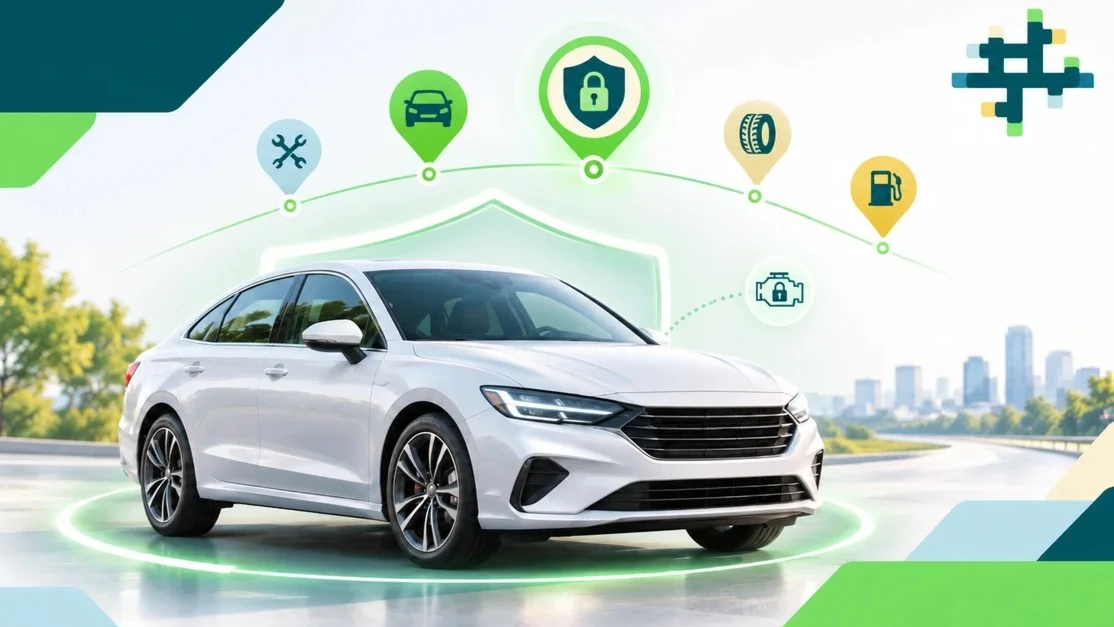
Each layer of protection is designed to counter a different method of theft. A loud alarm will not stop a car from being started after a relay attack. A GPS device will not prevent theft, but it can help locate the vehicle afterwards. A steering-wheel lock is visible and can deter thieves, but it does not protect against someone opening the car and stealing items from inside.
That is why even the most expensive system is a poor choice if it protects against the wrong threat. An older car without keyless entry does not need protection against relay attacks, while a newer keyless SUV parked on the street overnight should not rely on its factory alarm alone. The real answer is always a combination of measures, not a single device.
Four Layers of Protection and What Each Can Stop
1. Mechanical Protection
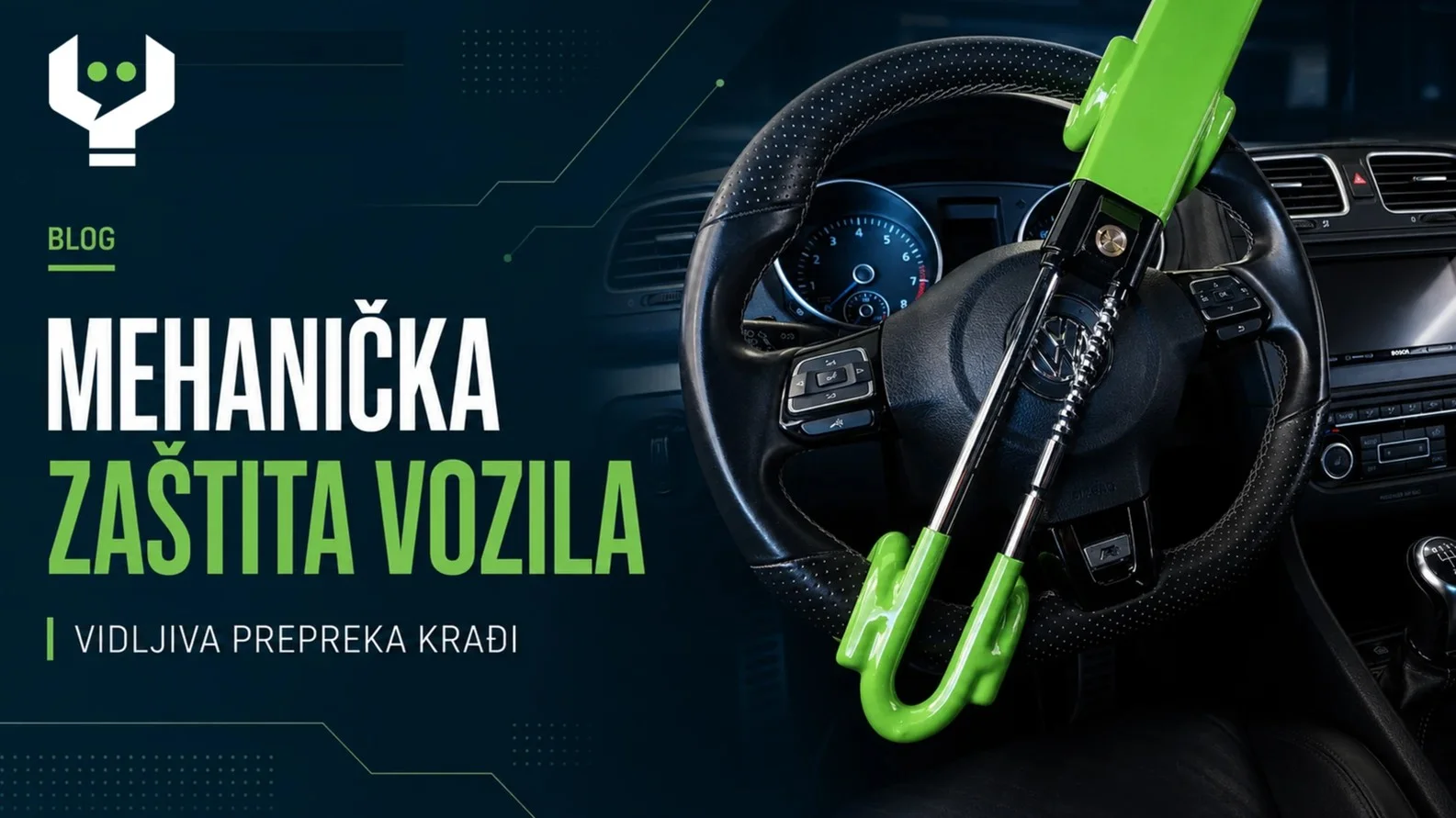
Steering-wheel, gear-lever and pedal locks physically make it harder to drive a stolen vehicle away. Their main advantage is visibility: a thief choosing between two cars is more likely to pick the one that will take less time and effort.
▪ Makes it harder to: drive the vehicle away without additional tools and time; carry out opportunistic thefts.
▪ Does not protect against: someone opening the car, theft of items from the cabin, or a determined thief with tools.
▪ What to watch for: the protection only works if you use it every time, and the quality of the lock makes a major difference.
2. Digital Immobiliser (for Example, Igla)
This layer addresses relay attacks and cloned keys. Igla is a digital immobiliser made by Author Alarm that connects to a vehicle’s digital network (the CAN and LIN buses) and is designed to prevent the engine from starting until the driver verifies their identity.
Verification can take the form of a PIN sequence entered using the vehicle’s original buttons — for example, on the steering wheel or doors — or a smartphone or small key fob. A digital immobiliser therefore adds another barrier to unauthorised engine starting, even if the vehicle has been unlocked using the original key’s signal. The specific protection features depend on the vehicle model and how the system is installed.
▪ Makes it harder to: start a vehicle after a relay attack, key cloning or key theft. For certain models, the manufacturer also claims protection against the programming of a new key.
▪ Advantage: there is no warning light or other visible indication of where the device is installed. It is small and concealed within the vehicle’s wiring.
▪ Does not protect against: the vehicle being opened or items being stolen from the cabin, which is why it is combined with other measures.
▪ Important: the manufacturer requires installation by certified installers, and compatibility must be checked for the specific model and model year.
3. OBD Port Protection (for Example, OBD Block)
This layer makes it harder to exploit the route thieves use to programme a new key. OBD Block, also part of the Author Alarm range, is installed as a digital relay that interrupts diagnostic communication lines. The port looks completely normal from the outside, but the system is designed to prevent it from communicating with the vehicle without your adapter (digital key). Here, too, the exact features depend on the vehicle model and installation.
▪ Makes it harder to: programme a new key or gain unauthorised access to the vehicle’s electronics through the diagnostic connector.
▪ Advantage: there is no visible sign that the port is blocked, and the device is hidden within the vehicle’s wiring.
▪ What to watch for: when taking your car to a workshop, bring the adapter with you or agree with the installer in advance how the port can be unlocked for diagnostics.
Igla and OBD Block come from the same product range and can be installed together: one makes it harder to start the engine, while the other makes it harder to access the vehicle’s electronics through the diagnostic port.
Igla and OBD Block Through AutoKonekt Partners
Partners in the AutoKonekt network who specialise in anti-theft systems install Igla immobilisers and OBD Block protection. Before installation, they check compatibility with your model and recommend a combination based on how and where you use your vehicle.
» Find an installation partner at autokonekt.rs/lokacije
4. GPS Tracking
A GPS device does not prevent theft, but it increases the chances of locating a stolen vehicle. For many businesses operating delivery or company vehicles, it is already part of fleet management. It also usually involves a monthly subscription.
What If the Protection Fails? The Role of Comprehensive Motor Insurance
No technical layer can guarantee that a vehicle will not be stolen. Comprehensive motor insurance is therefore the form of protection that can safeguard you financially. Representatives of Serbia’s Road Traffic Safety Agency told RTS that comprehensive insurance is the only solution that provides full protection in the event of theft.
There is one important detail: theft is covered only if that risk is included in your policy. Check the policy terms as well, since insurers may have specific requirements concerning keys and reporting a theft. Ask your insurer whether an installed anti-theft system affects the premium, as it is one of the factors considered by some providers.
Which Combination Makes Sense for Which Car?
A Newer Car With Keyless Entry, Parked on the Street
This vehicle profile carries the greatest risk of electronic theft. First, check whether your model uses UWB technology, which significantly reduces the risk of relay attacks. Even so, combining a digital immobiliser with OBD port protection makes sense because these systems also address other theft methods. At home, keep your key away from the front door, ideally in a box or pouch that blocks its signal. A mechanical lock is a useful additional visible deterrent.
An Older Car Without a Keyless System
Relay attacks are not a threat in this case. Good-quality mechanical protection and sensible habits (never leaving the key in the car and parking in a well-lit area) are often sufficient. Electronic protection makes sense if the vehicle is sought after for spare parts.
An SUV, Premium Car or Higher-Value Vehicle
For these vehicles, protection in several layers is worthwhile: a digital immobiliser, OBD port protection and GPS tracking, together with comprehensive insurance that includes theft cover. The more valuable the vehicle, the more attractive it can be to organised theft groups, so one layer is not enough.
Delivery and Company Vehicles
For businesses, the loss is not limited to the value of the vehicle: it also includes lost working days, missed deliveries and goods in the load compartment. GPS tracking is almost essential here, while a digital immobiliser adds another barrier to starting the vehicle if the key ends up in the wrong hands.
What to Ask an Installer Before You Pay
The quality of the installation matters just as much as the device itself. Before making a decision, ask the following questions:
▪ Is the system compatible with my model and model year? Digital immobiliser features vary from one vehicle to another.
▪ Are you certified to install this system? Reputable system manufacturers work through authorised installers.
▪ Will any factory wiring need to be cut? Systems that operate through the vehicle’s digital network can often be connected without cutting wires.
▪ How will installation affect my vehicle warranty? If the car is still under warranty, check this before installation with both the installer and an authorised workshop.
▪ What happens if I lose the key fob or forget my PIN? Make sure you receive clear instructions and a backup method of unlocking the system.
▪ How will the vehicle be diagnosed during servicing? This is especially important if you install OBD port protection.
▪ Will I receive an installation certificate and a warranty for the device and the work? You may also need the certificate for your insurer.
The price depends on the vehicle, the system and the scope of the installation, so request a quotation that includes the device, fitting and configuration. The cheapest quote is not always the best: a poorly installed system can create more problems than it solves.
In Short: Ask the Right Question
Instead of asking “what is the best anti-theft system?”, ask “how could my particular car be stolen?” If it is older and has no keyless entry, mechanical protection and good habits take priority. If it is newer and spends the night on the street, a digital immobiliser and OBD port protection target precisely the methods that factory protection often fails to prevent. And comprehensive insurance with theft cover remains the only form of financial security.
For a broader overview of protection options, read our article “Car Anti-Theft Systems: Protection Worth Having”. You can also browse partners who install theft-prevention systems in the anti-theft systems category.
Be the First to Hear About New Services
Registration on AutoKonekt is free and takes just a minute. As a registered driver, you will receive notifications when new services and offers become available in the network, from anti-theft systems to servicing and vehicle inspections.
» Register at autokonekt.rs
Frequently Asked Questions
What Is the Best Anti-Theft System for a Car?
There is no single system that is best for every vehicle. Each layer of protection counters a different theft method, so the choice depends on whether your car has keyless entry, where you park it and how much it is worth. For newer keyless vehicles, a combination of a digital immobiliser and OBD port protection often makes the most sense; for older vehicles, good-quality mechanical protection may be the better choice.
Does a Factory Alarm Protect Against Relay Attacks?
Not necessarily. In a relay attack, the thief relays the original key’s signal, so the car recognises it as the owner’s and the alarm does not sound. In ADAC tests published in August 2026, almost half of the more than 850 vehicles tested could be unlocked in this way, and about a third could also be started. Vehicles with UWB technology are significantly better protected. A digital immobiliser adds another barrier by requiring verification before the engine can start.
What Is Igla and How Does It Work?
Igla is a digital immobiliser made by Author Alarm. It connects to the vehicle’s digital network and is designed to block engine starting until the driver verifies their identity using a PIN sequence entered through the car’s factory buttons, a smartphone or a key fob. The exact features depend on the vehicle model and installation method. It has no warning light or other visible indication of where it is fitted, and it is installed by certified installers.
What Is OBD Port Protection For?
Thieves can use the OBD diagnostic connector to programme a new key. Protection such as OBD Block interrupts the diagnostic communication lines and is designed to stop the port from communicating with the vehicle without your adapter, even though it looks normal from the outside. This creates an additional obstacle to programming a new key.
Does a GPS Device Prevent Car Theft?
No. GPS tracking increases the chances of locating a stolen vehicle, but it does not prevent the theft itself. That is why it is combined with a measure that makes it harder to start the vehicle, such as a digital immobiliser.
Will Installing an Anti-Theft System Affect My Vehicle Warranty?
That depends on the system, the installation method and the manufacturer’s warranty terms. If your vehicle is under warranty, check before installation with both the installer and an authorised workshop. Professional installation without cutting factory wiring reduces the risk of problems.
Do I Need Comprehensive Insurance If I Have an Anti-Theft System?
If you want financial protection, yes. An anti-theft system reduces the risk, but only comprehensive insurance can compensate you if the vehicle is stolen, and only if theft cover is included in the policy. Ask your insurer whether the installed system may also affect your premium.