
Vehicle anti-theft systems: why factory protection is often not enough
In the past, car theft usually meant a broken window, a forced lock and visible signs of a violent break-in. Today, the situation is different. Modern cars are technologically more advanced, but that also makes them more complex to protect.
Especially with vehicles equipped with keyless systems, theft increasingly no longer relies on brute force, but on the misuse of electronics and key signals. That is why more and more drivers are asking the same question: is the factory alarm enough?
The short answer is — often, it is not. This is why well-chosen vehicle anti-theft systems are becoming a reasonable protective measure, not a luxury.
Why factory vehicle protection is not always enough
Most modern cars have a certain level of factory protection: central locking, alarm, immobilizer, coded key, motion sensor or keyless system. The problem is that factory systems are known, standardized and often the same across a large number of vehicles of the same model.
That does not mean they are bad. It simply means they are not always enough as the only layer of protection.
With vehicles that have a keyless system, it is especially important to understand that the key does not have to be physically inserted into the lock for the vehicle to “recognize” the signal. That is why additional measures are increasingly recommended: keeping the key away from entrance doors and windows, using signal-blocking pouches, choosing parking locations carefully and installing additional mechanical or electronic protection.
In other words: if the method of theft has changed, the method of protection must change as well.
What additional vehicle anti-theft protection means
Additional protection does not exist to make a car “impossible to steal.” Such protection does not exist. Its purpose is to make theft more difficult, slower, riskier and less worthwhile.
In practice, thieves most often look for a vehicle they can quickly open, start and drive away. If a car has multiple layers of protection, it becomes a less attractive target. That is why layered protection is most often recommended: a combination of good habits, mechanical barriers, electronic blocking systems and professional installation.
Digital immobilizer, OBD protection, Zeder and kill switch — which protection suits which car
There are several solutions available on the market, and the real question is not “which system is the best,” but which system makes the most sense for a specific vehicle, the way it is used and the driver’s budget.
Digital immobilizers, including Igla-type systems, represent an electronic layer of protection that prevents the vehicle from being started without additional driver authorization. Their advantage is that they are discreet and not visible at first glance.
OBD protection, or protection of the OBD-II diagnostic port, is designed to make unauthorized access to the vehicle’s electronic systems more difficult. In modern cars, this can be an important additional layer, because some modern theft methods rely precisely on the misuse of electronics through the diagnostic port.
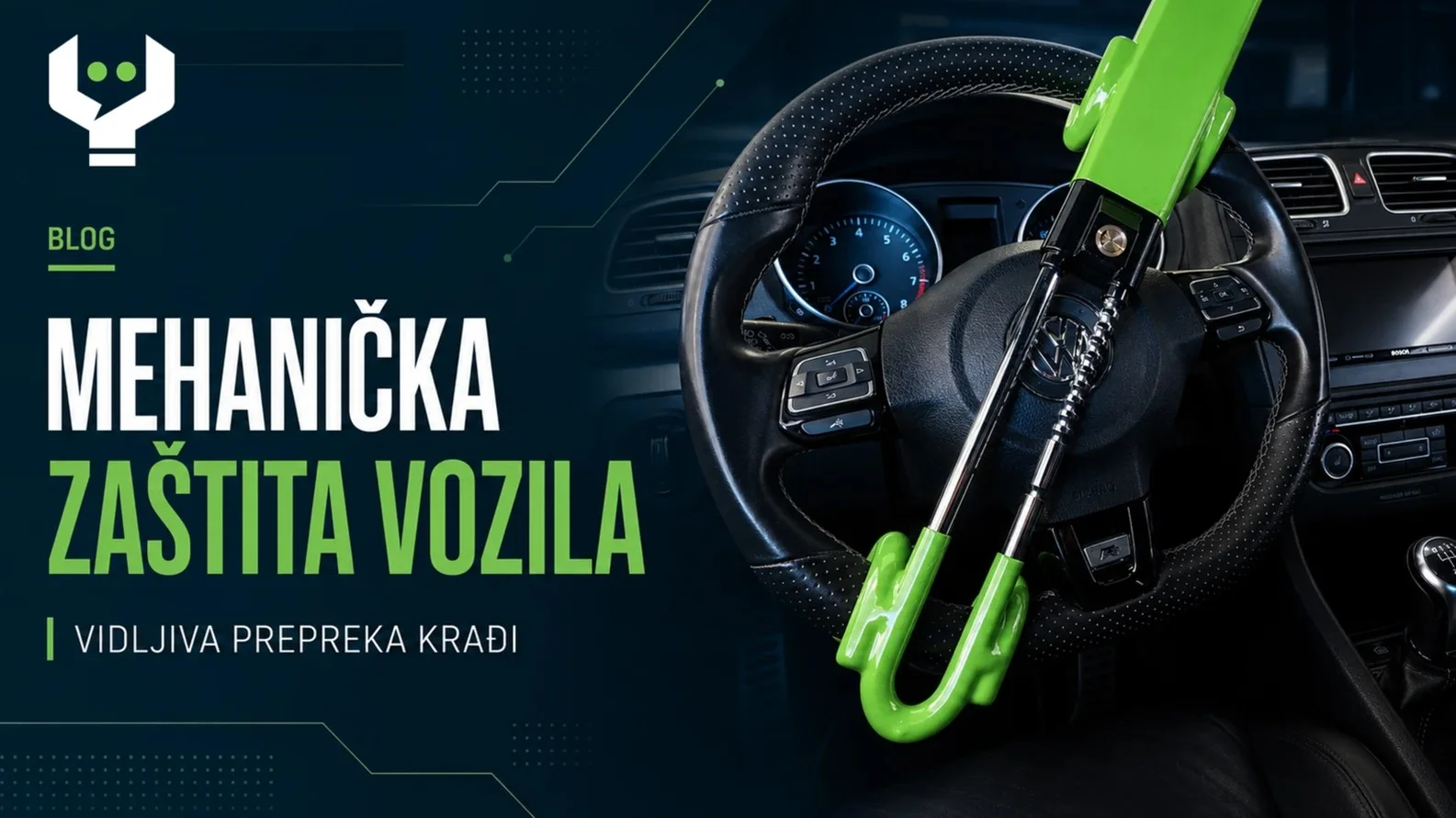
Zeder and other mechanical systems physically block the vehicle’s steering system. Their advantage is clear: they are visible, concrete and act as a deterrent. For thieves looking for a quick target, visible mechanical protection can be enough of a reason to give up.
A kill switch is an additional electronic blocking system that interrupts the possibility of starting the vehicle without prior activation. It is important that such solutions are installed exclusively by professionals, because improper installation can create problems with the vehicle’s electrical system, reliability or warranty.
The best protection is a combination, not a single device
It is a mistake to think of an anti-theft system as a single product. It is much better to think of it as a protection strategy.
For an older car, quality mechanical protection, good parking habits and a basic check of the existing alarm may be sufficient. For a newer car with a keyless system, it is more logical to consider a combination: key signal protection, an additional digital immobilizer, OBD protection and, if necessary, mechanical blocking.
For SUVs, premium vehicles, delivery vehicles, company cars and cars that are often parked in public areas, additional protection is not a luxury. It is a rational preventive investment.
Additional protection can be especially useful for used cars. A new owner often does not know the complete history of the vehicle, how many keys exist, who previously had access to the car and whether all protection systems are truly in proper working order.
Which system makes the most sense for your car
If you drive an older city car that you mostly park in front of a building or in a public parking area, quality mechanical protection can be a very reasonable first step. It is visible, simple to use and can deter someone looking for a quick target.
If you drive a newer car with a keyless system, it is especially important to think about electronic protection and key signal protection. In that case, a digital immobilizer, OBD protection and proper key storage can have a much greater effect than the factory alarm alone.
If you drive an SUV, a premium model or a car with higher market value, the most logical approach is a combination of several systems. The more valuable and exposed the vehicle is, the more sense it makes to think about multi-layered protection.
If the vehicle is a company or delivery vehicle, protection should not be viewed only through the value of the vehicle. You also need to take into account loss of operability, delays, organizational problems and the cost of a replacement vehicle if theft occurs.
How much does vehicle theft cost, and how much does protection cost
Drivers often see additional protection as an expense. But the real question is different: how much does losing a vehicle cost?
Even when a car is insured, theft brings a series of problems: filing a police report, communicating with the insurance company, waiting for an assessment, losing time, losing mobility, possible financial loss and stress that does not appear in a cost table.
In that sense, an anti-theft system is not just equipment. It protects the value of the vehicle and the owner’s everyday peace of mind.
What to pay attention to before installing an anti-theft system
Before installing an additional protection system, it is important to check several things:
• The system should match the vehicle model — not every solution is equally good for every car.
• Installation should be carried out by a service provider with experience in that specific type of protection and that specific vehicle brand.
• You should check whether the installation affects the warranty, insurance or future servicing of the vehicle.
• The driver should receive a clear explanation of how the system is used, what happens in case of a lost key or code, and who to contact if a problem occurs.
The cheapest installation is not always the best installation. When it comes to vehicle protection, the quality of installation is just as important as the quality of the system itself.
Who is additional vehicle protection especially recommended for
Additional vehicle anti-theft systems make the most sense for:
• owners of newer vehicles with keyless systems,
• owners of more expensive used cars,
• drivers who park on the street or in public parking areas,
• owners of SUVs and premium models,
• companies with company and delivery vehicles,
• drivers who travel often and leave their vehicle in unfamiliar locations,
• anyone who wants an additional level of security without everyday worry.
AutoKonekt advice
There is no universal anti-theft system that is best for every car. For some drivers, Zeder is the best choice. For others, it is a digital immobilizer, while for some, it is a combination of several systems.
That is why the smartest first step is to assess the risk: what car you drive, where you park it, whether it has a keyless system, how often you travel, whether the vehicle is private or company-owned and what its market value is.
Not sure whether Zeder, a digital immobilizer, OBD protection, a kill switch or a combination of several systems is the right choice for your car? AutoKonekt helps you find a verified service provider for the installation of anti-theft protection and get a recommendation that matches your vehicle, the way you use it and your budget.
Compare offers from verified service providers for the installation of vehicle anti-theft systems. Through AutoKonekt, you can find a service partner in your city and get a protection recommendation that suits your vehicle — quickly, transparently and without guesswork.
Because the best time to protect your car is not after the problem has already happened. The best time is before it happens.