
What to Do After a Traffic Accident: A Driver's Guide to Safety and Proper Response
A Traffic Accident: An Experience That Doesn't Have to Happen
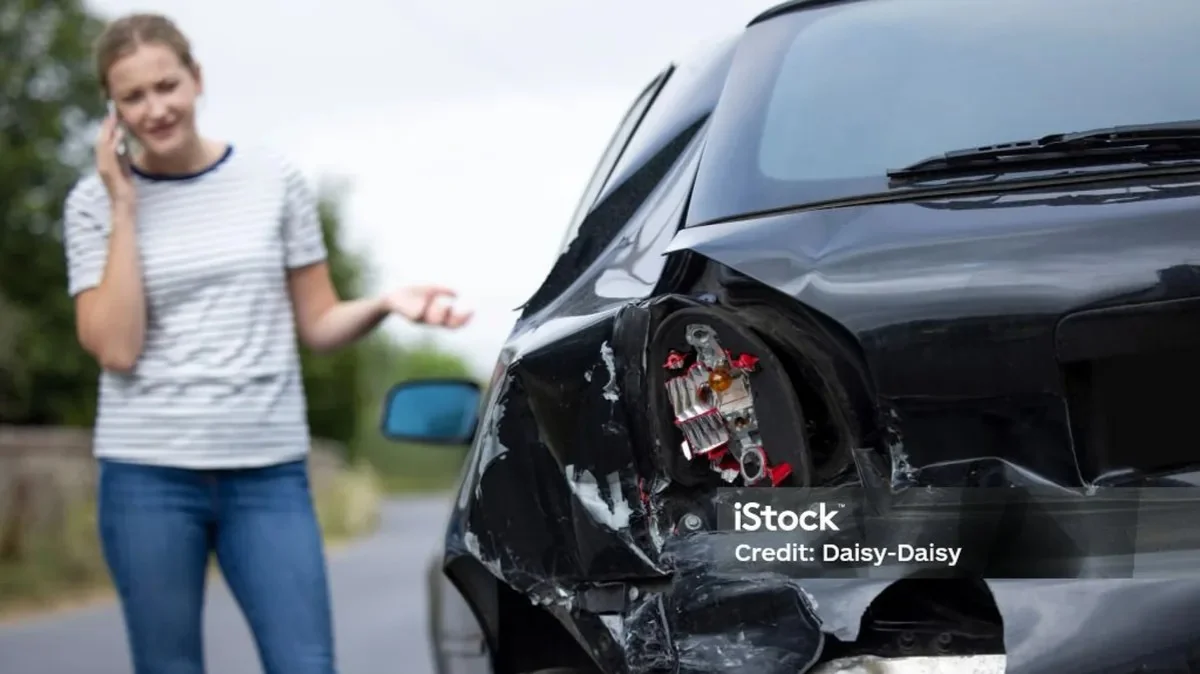
It takes only a few seconds of distraction for an ordinary drive to turn into a traffic accident. In such situations, many drivers are unsure what to do first, whether they can move their vehicle, when they should call the police, and how to protect their rights when dealing with insurance companies.
The good news is that many accidents can be prevented through proper vehicle maintenance and responsible driving habits. And when an accident does occur, the actions taken during the first few minutes can significantly reduce the consequences and make the entire process easier.
In this guide, we explain how to reduce the risk of traffic accidents and what steps to take if one happens.
Common Mistakes Drivers Make After a Traffic Accident
Following an accident, drivers often react impulsively, which can make the situation more complicated. Some of the most common mistakes include:
Leaving the accident scene without exchanging information
Failing to secure the scene properly
Not taking photographs of vehicle positions and damage
Admitting fault before all facts are established
Delaying notification of the insurance company
Continuing to drive a vehicle that may no longer be roadworthy
Proper accident response begins long before an accident occurs—through responsible driving and regular vehicle maintenance.
Before an Accident: Safety Starts with a Well-Maintained Vehicle
Active and Passive Safety Systems
Modern vehicles protect drivers in two ways, and both depend on components being in proper working condition.
Active Safety
Active safety systems help prevent accidents before they happen:
ABS (Anti-lock Braking System) — allows steering control during emergency braking
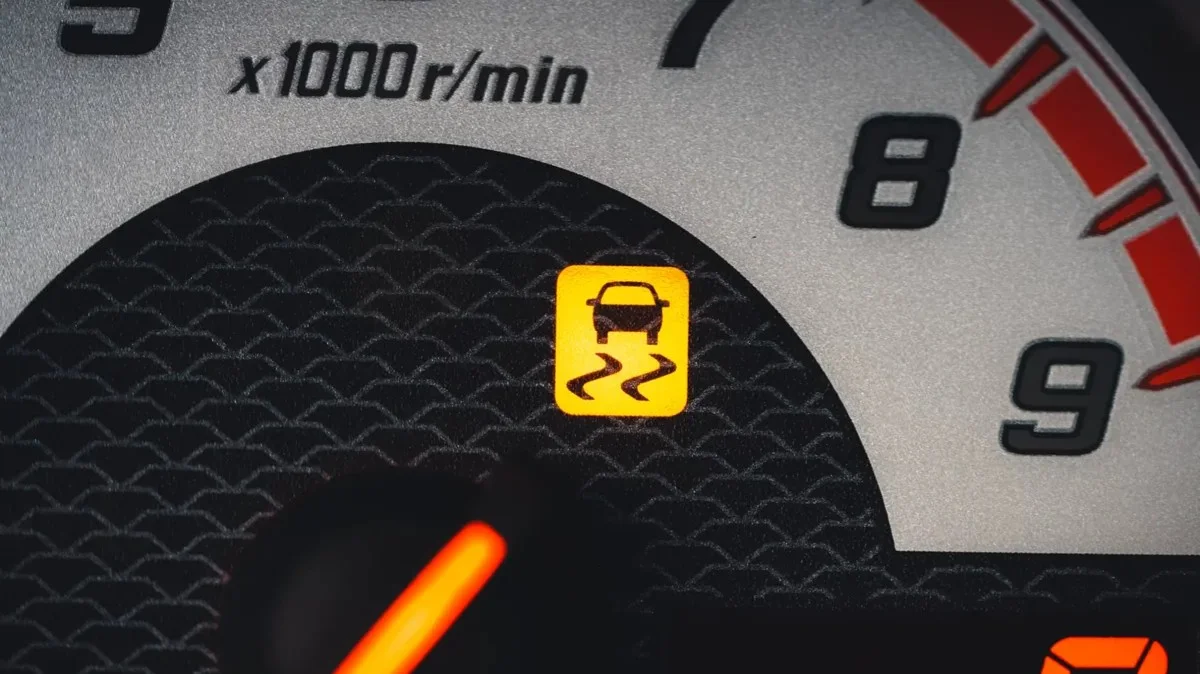
ESP (Electronic Stability Program) — helps prevent skidding and loss of vehicle control
Tires with adequate tread depth — directly affect braking distance and road grip
A properly functioning braking system — including discs, pads, and brake fluid
Fully operational lights — so you can see and be seen
Passive Safety
Passive safety systems reduce the severity of injuries when a collision occurs:
Airbags
Seat belts with pretensioners
Vehicle crumple zones
Properly adjusted head restraints
It is important to understand that passive safety systems often have only one opportunity to perform their function. If an airbag sensor is faulty or a seat belt is damaged, the protection may fail when it is needed most.
The Importance of Preventive Maintenance
Many roadside breakdowns and a significant number of traffic accidents can be prevented through regular vehicle maintenance. Worn brake pads, bald tires, faulty lights, or worn shock absorbers may not always show obvious warning signs, yet they can determine the outcome of a critical situation.
Preventive maintenance means not waiting for a warning light to appear on the dashboard. It involves regular inspections, timely replacement of worn components, and routine checks of the braking system, tires, battery, and other safety-related parts.
A properly maintained vehicle is not only safer—it is also more reliable.
That is why AutoKonekt was created as a platform focused on preventive vehicle care, helping drivers identify and solve potential problems before they become serious safety risks.
The Driver's Physical and Mental Condition
Even the most advanced safety systems cannot compensate for driver fatigue or distraction.
Common risk factors include:
Fatigue and lack of sleep
Alcohol consumption
Medications that affect concentration
Stress and emotional distress
Mobile phone use while driving
Before a long journey, make sure you are well rested, take regular breaks, and never drive when you are physically or mentally unfit to do so.
What to Do After a Traffic Accident: Step by Step
1. Stop and Secure the Accident Scene
Immediately stop your vehicle, switch on the hazard warning lights, and put on a reflective safety vest before exiting onto the roadway.
Place a warning triangle at a safe distance behind the vehicle to alert approaching traffic. The exact distance should depend on road conditions, visibility, and local regulations.
2. Check for Injuries
People always come before vehicles.
Check whether anyone in your vehicle or in other vehicles involved has been injured. If there are injuries, contact emergency medical services immediately.
Do not move seriously injured individuals unless there is an immediate threat to their safety, such as fire or explosion risk.
3. Who to Call and When
SituationWho to ContactInjured personsEmergency Medical ServicesInjuries, fatalities, or disputed responsibilityPoliceFire or risk of fireFire DepartmentGeneral emergencies112
The police should always be contacted when there are injuries, fatalities, disputes regarding responsibility, damage to public property, or suspicion that a driver is under the influence of alcohol or drugs.
For minor accidents involving only property damage and mutual agreement between drivers, an accident report may be sufficient, depending on local regulations.
4. What to Do With a Damaged Vehicle
If the vehicle is drivable and obstructing traffic, move it after documenting the scene with photographs.
If the vehicle is not roadworthy, call a towing service.
Do not begin repairs until the damage has been documented for insurance purposes.
If police attendance is required, do not move the vehicles unless they create a safety hazard.
Vehicles with serious damage affecting road safety may be prohibited from further use until repairs are completed and roadworthiness is confirmed.
5. Exchange Information and Document Everything
Exchange the following information with the other driver:
Full name
Phone number
Vehicle registration number
Insurance policy details
Insurance company information
If witnesses are present, collect their contact information as well.
Photograph:
Vehicle positions
Visible damage
License plates
Skid marks
Road conditions
Traffic signs and signals
6. Alcohol and Drug Testing
Many drivers are unaware that alcohol and drug testing may be mandatory following a traffic accident.
Depending on local regulations and the circumstances of the accident, authorities may require breathalyzer tests, drug screening, or other legally prescribed procedures.
This is another reason never to drive under the influence of alcohol, drugs, or medications that impair driving ability.
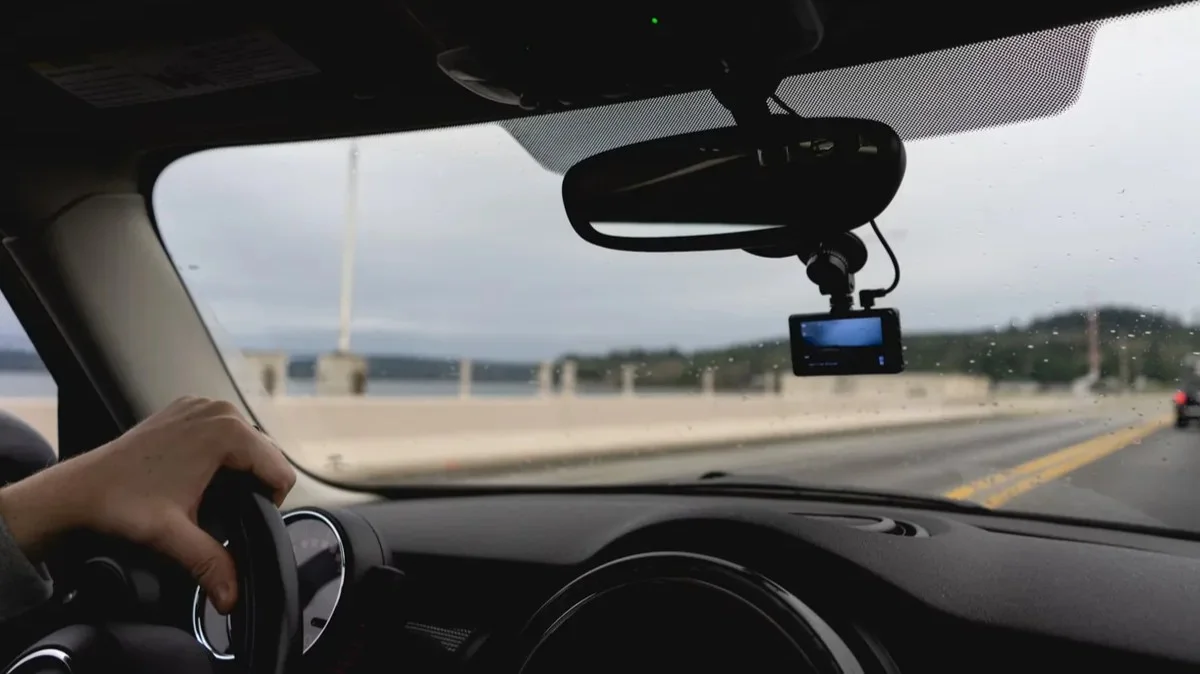
Should You Use a Dash Cam?
Yes. A dash cam can be one of the most valuable safety investments a driver can make.
Its benefits include:
Helping establish responsibility for the accident
Speeding up insurance claims
Providing evidence in legal proceedings
Reducing the risk of fraud and false claims
The camera should be installed in a way that does not obstruct the driver's field of vision, and recordings should be stored and used responsibly in accordance with privacy regulations.
How AutoKonekt Can Help After a Traffic Accident
After an accident, drivers often face additional challenges such as finding a trustworthy repair shop, arranging towing services, assessing vehicle damage, and tracking repair progress.
AutoKonekt connects vehicle owners with trusted service partners and helps organize maintenance and repair activities efficiently.
This allows drivers to find reliable solutions faster while maintaining greater control over repair quality and costs.
Frequently Asked Questions
Do I always need to call the police after a traffic accident?
Not necessarily. In cases involving only minor property damage and mutual agreement between drivers, a standard accident report may be sufficient, depending on local regulations.
Can I move my vehicle after an accident?
Yes, if there are no injuries and the vehicle is obstructing traffic. However, it is recommended to document the scene first.
Who pays for towing after an accident?
Responsibility depends on insurance coverage, accident circumstances, and roadside assistance agreements.
Can dash cam footage be used as evidence?
In many cases, dash cam footage can serve as valuable evidence when determining the circumstances of an accident.
Conclusion
The best traffic accident is the one that never happens.
Regular vehicle maintenance, responsible driving habits, and prompt attention to potential vehicle issues are among the most important investments in your safety and the safety of everyone else on the road.
AutoKonekt helps drivers take a proactive approach to vehicle care through a network of trusted service partners, providing greater confidence and peace of mind every time they hit the road.
Disclaimer: This article is intended for informational and educational purposes only and does not constitute legal advice. Traffic accident procedures are governed by local laws and regulations, which may change over time. For official guidance or specific situations, consult the relevant authorities or qualified professionals.