How a Tire Manufacturer Created the Michelin Star
The story of how a desire to get people driving produced the most famous accolade in the world of gastronomy
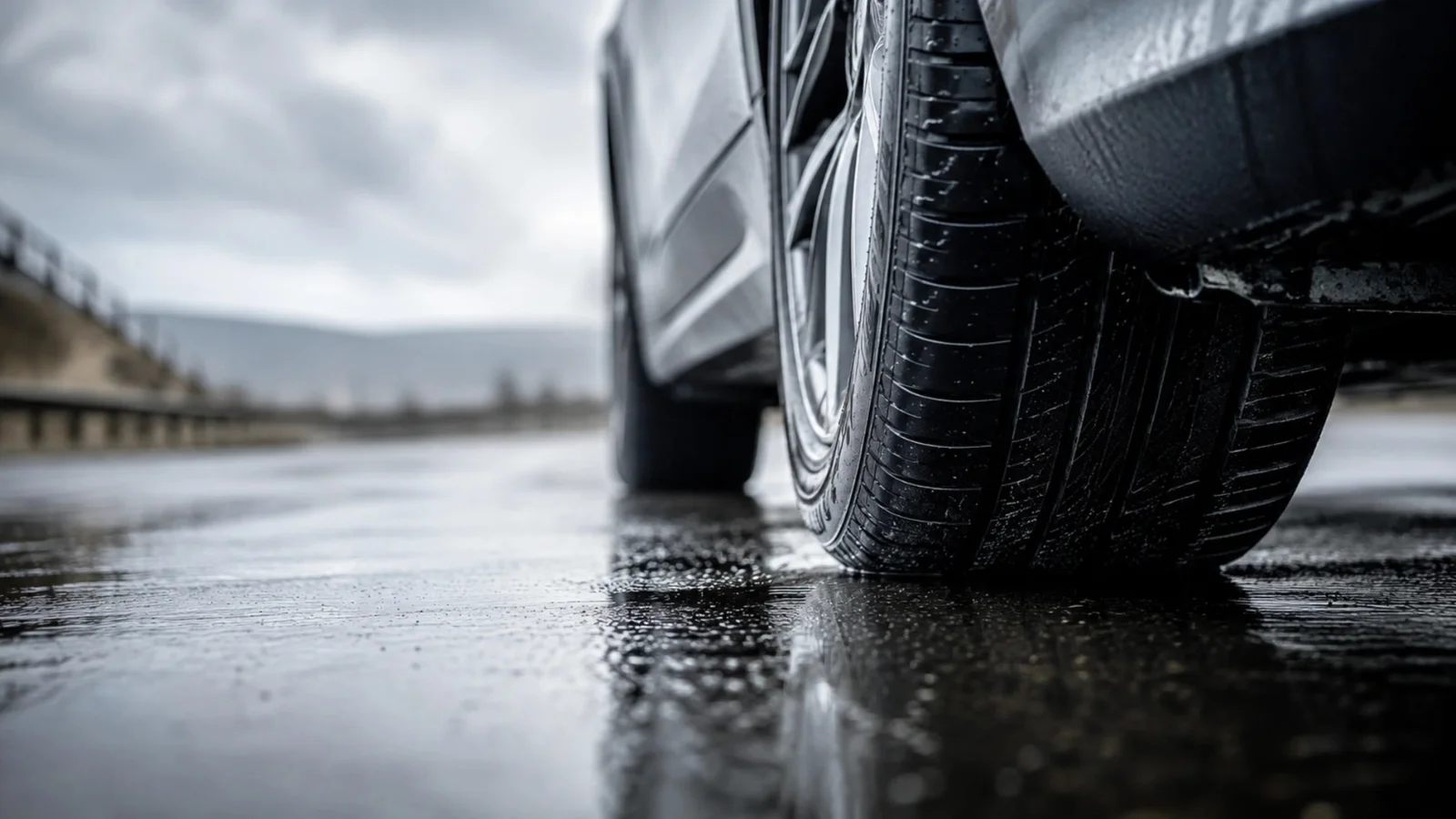
Today a Michelin star can change the fate of a restaurant. Chefs dream of one, restaurants display it as the highest recognition they can receive, and guests will drive hundreds of kilometres just to have dinner where it hangs above the door. Behind the world’s best-known restaurant rating system, however, lies a rather unexpected story: the Michelin Guide was not created by a food company, a chefs’ association or a tourism board, but by a manufacturer of car tires. And its original purpose was never to show people where to eat well.
The purpose was to get them driving more.
France at the turn of the century: almost no cars
Brothers André and Édouard Michelin founded their company in 1889 in Clermont-Ferrand, in central France. The automobile was still an exotic novelty at the time — around the turn of the century, fewer than 3,000 vehicles were on French roads.
For a company making tires, that was a fairly obvious problem. You can build an excellent tire, but if people own no cars or barely use them, there is practically no market. So the Michelin brothers were not only thinking about how to sell their tire. They were thinking about how to build an entire world in which that tire would be needed. People had to be encouraged to buy a car — and then persuaded to actually take it somewhere.
A guide that gave people a reason to drive
In 1900 Michelin published the first small red guide aimed at motorists. It was free. Inside, drivers found exactly what they needed at the time: maps, lists of places to refuel, instructions on changing a tire, and suggestions on where to rest and stay overnight along the way. Michelin itself still notes that the idea was to make travel easier and thereby indirectly encourage car sales — and with them, tire sales.
The logic was simple: more journeys mean more kilometres driven, and more kilometres mean more tires worn out.
Today we would probably call this content marketing. Michelin was not telling drivers to buy its tires. It was telling them where they could travel, which route to take, where to refuel, where to spend the night and what to do if a tire blew. The company was not merely selling a product — it was helping to create the need to use it.
The guide that ended up under a workbench
For its first two decades the guide was distributed free of charge. Then, according to an anecdote Michelin itself recounts in the history of the guide, came the scene that changed its fate: André Michelin walked into a tire workshop and found copies of his own guide being used to prop up a wobbly workbench.
The message was clear enough. What people get for free is rarely treated as valuable. In 1920 the new Michelin Guide went on sale for seven francs — perhaps the first business lesson of this story: price is not determined solely by the cost of production, but also by how seriously you want the customer to take you.
From fuel stops to restaurants
As motoring developed, so did the content of the guide. Travellers needed more than information about roads, fuel and tires; there was a far more pleasant question to answer — where shall we eat when we get there? During the 1920s, listings of hotels and restaurants appeared in the guide, and the restaurant section grew steadily in importance. Michelin began employing anonymous inspectors to visit restaurants and rate them.
This is where the tire manufacturer’s story slowly turns into a story about food. But the link to the car never fully disappears — because reaching a good restaurant required getting there. By car.
The first star
In 1926 Michelin began marking particularly good restaurants with a single star. Five years later, in 1931, the system of one, two and three stars was developed, and in 1936 the ranking criteria were published.
Their meaning still reveals the guide’s automotive DNA perfectly. One star denotes a very good restaurant in its category. Two stars — excellent cooking worth a detour. Three stars — exceptional cuisine worth a special journey.
In other words, even the highest level of culinary recognition is framed around the idea of travel: a restaurant should be good enough that you get in your car and set off because of it.
From marketing material to institution
What happened next may be the most interesting part of the story. The marketing tool began to live a life of its own. Thanks to its anonymous inspectors and a well-developed rating methodology, the guide gradually earned a reputation as an independent authority on gastronomy and spread far beyond France over the course of the twentieth century.
Today the situation is almost paradoxical: there are millions of people for whom the word Michelin brings to mind a starred restaurant first, and a car tire only second. Few marketing projects in history have so thoroughly outgrown the product they were created to sell.
Interestingly, the same is true of the company’s other symbol. Bibendum, better known as the Michelin Man, came out of an entirely practical moment: in 1894, at an exhibition in Lyon, the Michelin brothers saw a stack of tires, and Édouard recognised the silhouette of a man in it. A few years later the French illustrator O’Galop turned the idea into a character, and Bibendum was officially introduced in 1898. Within just a few years, Michelin had acquired two symbols that would outlive generations of automobiles.
What the story tells us today
The story of the Michelin Guide is not interesting only because of restaurants. It shows how closely the development of motoring was tied, from the very beginning, to an entire ecosystem of services built around the vehicle.
A car without roads makes little sense. A road without a fuel station becomes a problem. A journey without hotels and restaurants is far less appealing. And a car that is being used has to be maintained, repaired and equipped — and there, more than a century later, remarkably little has changed. The vehicle is still only part of the story; everything else is the experience built around it.
More than a hundred years ago, Michelin understood that mobility is not just the vehicle, nor just the tire. Mobility is the complete experience that forms around the vehicle — from knowing where to go, to knowing who to call when something starts to rattle.
AutoKonekt brings verified auto repair shops together in one place — compare available slots and book online, with no phone calls and no waiting for a reply. Find a workshop in your city at autokonekt.rs
From a single tire to three stars
The next time you hear that a restaurant has been awarded a Michelin star, remember that the story did not begin in a kitchen. It began in a tire factory. In 1900 the Michelin brothers were not trying to change gastronomy — they wanted people to use their cars more, so they produced a small guide meant to help them set off.
Sometimes the biggest ideas do not come from trying to sell more of your product. They come from giving people more reasons to use it.
Frequently asked questions
Why did Michelin, a tire manufacturer, start rating restaurants?
The original idea behind the Michelin Guide was to encourage motorists to travel more. The guide gave drivers the information they needed for a journey, and restaurants and hotels gradually became an increasingly important part of its content.
When was the Michelin Guide created?
The first Michelin Guide was published in France in 1900, at a time when fewer than 3,000 cars were on French roads.
When were Michelin stars introduced?
The first Michelin star was awarded in 1926, while the system of one, two and three stars was introduced five years later, in 1931.
Are Michelin inspectors anonymous?
Anonymous restaurant assessment has been part of the Michelin Guide tradition since the period in the 1920s when the company began employing dedicated restaurant inspectors.