
7 Signs You've Found a Reliable Auto Repair Shop
Finding a trustworthy auto repair shop is not an easy task today. Vehicle owners are faced with countless service providers, varying prices, and promises that are often difficult to verify.
Choosing the wrong mechanic can result in unnecessary expenses, wasted time, and even compromised road safety.
A good repair shop is not necessarily the cheapest one. Quality service combines expertise, transparency, high-quality parts, modern diagnostic equipment, and a professional approach to customer care.
In this guide, we highlight seven clear signs that you've found a service provider you can confidently trust with your vehicle.
Why Is Choosing the Right Auto Repair Shop So Important?
A vehicle is one of the largest investments in most households, and its safety directly depends on the quality of maintenance it receives.
A poorly performed routine service or major repair doesn't just waste money—it can compromise your safety and lead to significantly more expensive repairs in the future.
That's why it's important to know what indicators to look for before handing over your keys.
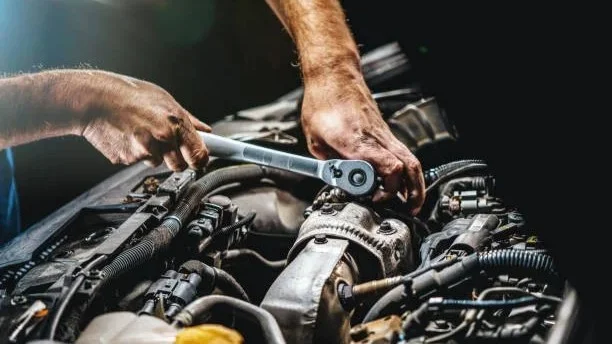
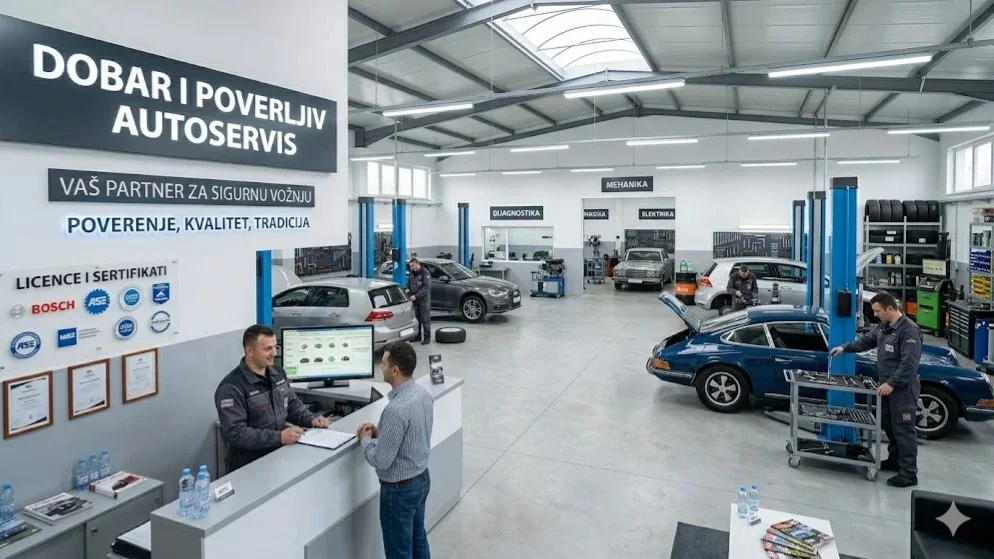
Image: A mechanic inspecting an engine in a trusted auto repair shop.
7 Signs You've Found a Trustworthy Auto Repair Shop
1. Professional Communication from the First Contact
One of the first indicators of a quality repair shop is the way they communicate.
A professional service advisor asks questions, listens carefully, and seeks to understand the issue before proposing a solution.
If you feel heard and receive clear answers without being rushed, that's an excellent first sign.
2. Modern Diagnostic Equipment and Tools
Today's vehicles require expert analysis and advanced equipment.
A repair shop that invests in modern automotive diagnostics can identify the root cause of a problem faster and more accurately.
This helps avoid unnecessary replacement of functioning parts and eliminates costly guesswork.
3. Transparent Pricing and Upfront Estimates
Price transparency is one of the most important factors in building trust.
Before any work begins, customers should know what repairs are planned, how much the parts cost, and what labor charges will apply.
A reputable repair shop never adds unexpected costs or replaces components without the vehicle owner's approval.
4. Quality and Proven Replacement Parts
The quality of replacement parts is just as important as the quality of the workmanship.
Installing low-quality or unverified parts can lead to additional failures and unnecessary expenses.
A trustworthy mechanic will clearly explain the differences between genuine OEM parts, original-equipment manufacturer (OEM) components, and aftermarket alternatives, helping you make the best decision based on your budget and expectations.
5. Well-Organized Digital Maintenance Records
Professional service centers maintain detailed records for every vehicle they service.
This allows for accurate planning of future maintenance activities such as brake replacements, timing belt changes, and scheduled inspections.
Additionally, a complete maintenance history significantly increases a vehicle's resale value and provides confidence to future buyers.
6. Strong Reputation and Genuine Customer Reviews
A repair shop's reputation is built over years of consistent service.
Recommendations from friends, experiences from fleet operators managing large vehicle fleets, and online reviews are often among the best indicators of service quality.
Repair shops with a large number of returning customers have typically earned their reputation through proven reliability.
7. The Ability to Explain Complex Problems Simply
True expertise is often demonstrated by the ability to explain technical issues in a way that non-technical customers can understand.
When you clearly understand what is wrong with your vehicle and the consequences of delaying repairs, you can make informed decisions with confidence.
Red Flags vs. Green Flags When Choosing an Auto Repair Shop
Use this quick checklist before deciding where to service your vehicle.
🚩 Red Flags (Avoid)
Unclear, vague, or constantly changing prices
Poor communication and unanswered phone calls
Repeated delays and missed deadlines
Refusal to provide detailed explanations
No written or digital service records
✅ Green Flags (Trust Indicators)
Transparent estimates and fixed pricing upfront
Professional and open communication
Respect for agreed timelines and appointments
Warranty on repairs and installed parts
Organized and up-to-date maintenance records
How to Find a Reliable Auto Repair Shop in Serbia Faster and Easier
The best approach combines trusted information with digital tools that allow you to compare services in one place instead of spending hours calling dozens of workshops.
This is where AutoKonekt's digital service network comes in—a modern platform that connects vehicle owners with verified service partners throughout Serbia.
Through the AutoKonekt platform, you can schedule essential automotive services in just a few clicks:
Regular Maintenance
Quick scheduling for routine maintenance, oil changes, and brake system service.
Technical Inspection and Vehicle Registration
Find available appointments in your area without waiting in long queues.
Tire Services and Roadside Assistance
Fast support for routine tire-related services or unexpected breakdowns on the road.
Body Repair, Painting, and Auto Glass Services
Complete cosmetic and structural vehicle repairs in one place.
Frequently Asked Questions (FAQ)
How Often Should a Vehicle Be Serviced?
For most modern vehicles, routine maintenance should be performed every 10,000 to 15,000 kilometers (6,000 to 9,000 miles) or once per year, whichever comes first.
The exact interval depends on the manufacturer's recommendations, engine type, and driving conditions. Vehicles primarily driven in urban environments often require more frequent maintenance.
Regular oil and filter changes are always far less expensive than repairing a major engine failure.
How Does a Digital Service Record Help When Selling a Vehicle?
A digital maintenance history provides potential buyers with clear evidence that the vehicle has been serviced on time and maintained using quality parts.
This increases buyer confidence, shortens the selling process, and often allows sellers to achieve a higher resale value.
Ready to Protect the Long-Term Value of Your Vehicle?
Forget paper notebooks, hidden costs, and the stress of searching for a trustworthy mechanic.
Download the modern AutoKonekt service management app, find trusted service partners in your city, and take complete control of your vehicle maintenance today.